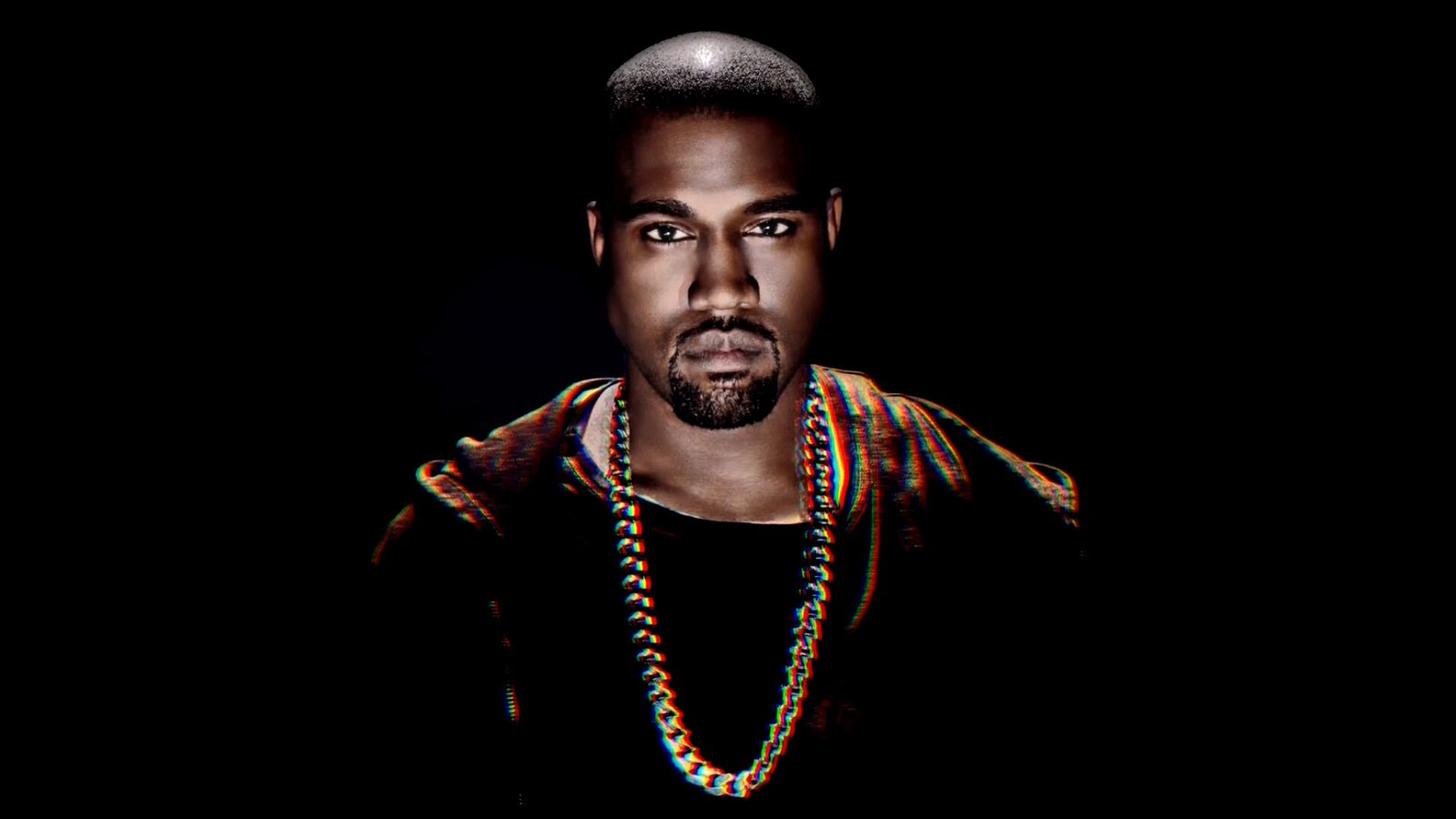
Even after years of controversy, public apologies, cancelled shows, and intense backlash, Kanye West (now known as Ye) still commands massive attention in 2026. Sold-out stadium shows, chart performance, viral moments, and endless online debate keep him in the cultural conversation.
This is not just about music. It is about how fame, scandal, and public forgiveness actually work in the social media age. Understanding why Ye continues to hold attention reveals more about us — the audience — than it does about him.
The Cycle of Outrage and Return
Ye has followed a familiar pattern for years: provocative statements or actions → widespread condemnation → partial or full apology → a period of quiet → a creative or commercial return.
What makes this cycle unusual is how consistently it repeats. Most public figures who cross similar lines see their careers permanently damaged. Ye’s career has been damaged at times, but it has never fully collapsed.
Part of the reason is that he never fully disappears. Even during the strongest backlash, he remains culturally present through music, fashion, or social media. Absence often kills celebrity status faster than controversy. Continuous visibility, even negative visibility, keeps someone relevant.
Why Some Celebrities Survive Scandals and Others Don’t
Not every public figure recovers from major controversy. Several factors appear to influence survival:
- Existing cultural capital: Artists who created highly influential work early in their careers often receive more second chances. Ye’s early albums and cultural impact still carry weight for many people.
- Dedicated core audience: A loyal base that separates the art from the artist can sustain a career even when mainstream approval drops.
- Entertainment value of the drama: In the attention economy, conflict itself becomes content. Outrage generates engagement, which platforms reward.
- Ambiguity of the public response: When large groups of people remain divided (some cancel, some defend, some stay neutral), the story never fully ends.
Ye benefits from all four. The combination creates a form of persistent relevance that pure talent or pure controversy alone cannot achieve.
The Role of Mental Health Narratives
Public discussions around Ye frequently include references to bipolar disorder and other mental health challenges. These narratives complicate public judgment.
On one side, mental health explanations can increase sympathy and reduce the desire to permanently punish. On the other side, critics argue that mental health should not become a blanket excuse for harmful behavior.
This tension keeps the conversation alive. Simple stories of “good person” or “bad person” are easier to resolve. Complicated stories with mental health, genius, and repeated controversy are harder to close. Unresolved stories stay in public discussion longer.
Cancel Culture Is Not Absolute
The phrase “cancel culture” suggests a permanent removal from public life. In reality, cancellation is often temporary and incomplete, especially for people who already have significant fame, money, and a dedicated audience.
True cancellation is more common for mid-level or emerging figures who lack the resources and existing fanbase to weather the storm. For someone at Ye’s level of cultural recognition, the process usually looks more like a temporary reduction in mainstream opportunities followed by a partial return.
This does not mean actions have no consequences. It means the consequences are often limited rather than total. The public and institutions frequently reassess over time, especially when new music or projects appear.
What This Reveals About the Audience
The most interesting part of Ye’s continued attention is what it says about the audience rather than about him.
Many people claim to want accountability. At the same time, large numbers of people continue to stream music, attend shows, buy products, or engage with the drama. Attention is a form of currency. As long as enough people keep paying attention — whether through support, criticism, or simple curiosity — the cultural relevance continues.
Social media intensifies this effect. Platforms reward strong emotional reactions. Outrage, defense, and analysis all generate engagement. The result is a feedback loop that keeps controversial figures visible long after traditional media might have moved on.
The Broader Pattern in Modern Fame
Ye is an extreme example of a wider pattern. In the current media environment, complete disappearance is rare for anyone who already achieved major fame. The combination of streaming platforms, social media, and fragmented audiences makes it possible for controversial figures to maintain a base even when they lose mainstream institutional support.
This does not mean every celebrity can do the same. Timing, previous cultural impact, the specific nature of the controversy, and the strength of the existing fanbase all matter. But the old model of permanent exile after major scandal is weaker than it used to be.
Final Thoughts
Kanye West’s continued presence in the cultural conversation in 2026 is not primarily a story about one individual’s talent or failings. It is a story about how attention works, how audiences respond to complicated public figures, and how modern media rewards ongoing drama.
Whether someone supports him, criticizes him, or simply watches from a distance, the act of continued engagement itself helps sustain the relevance. In the attention economy, disappearance is often a bigger threat to fame than controversy.
Understanding this dynamic helps explain not only Ye’s career but also the broader rules of celebrity survival in the current era.
Written by Abby. Covering culture, technology and society.