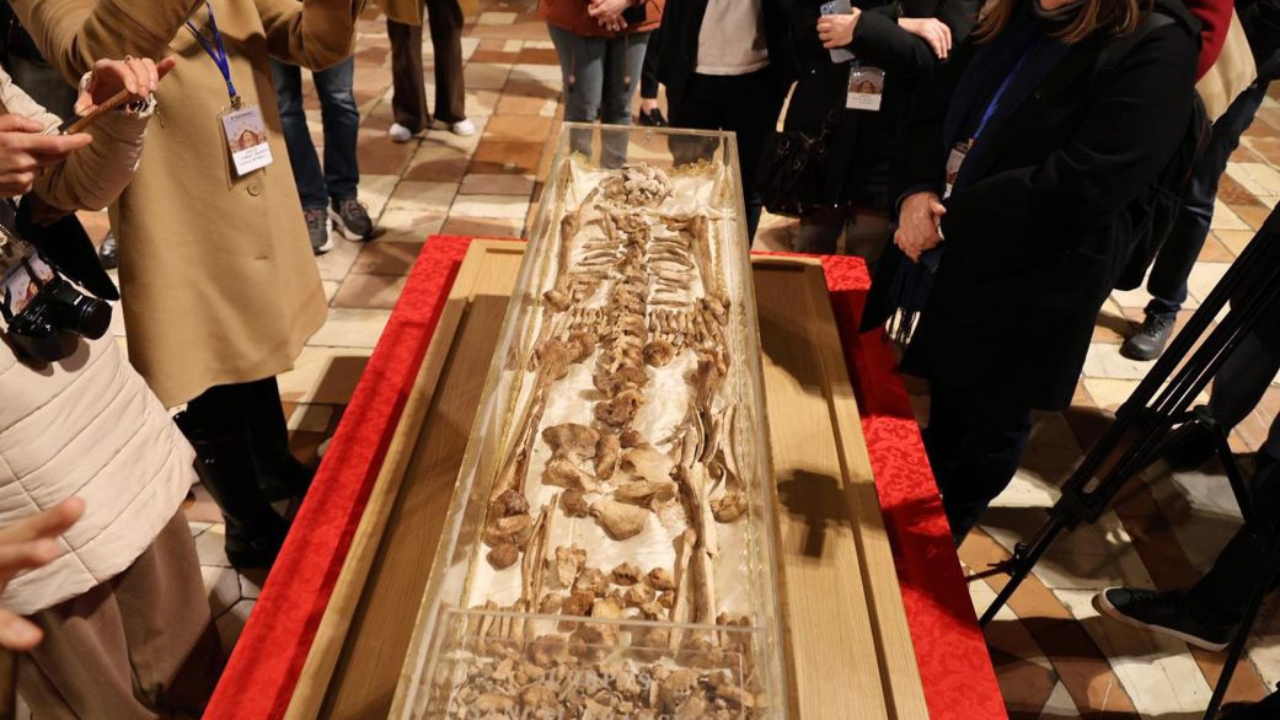
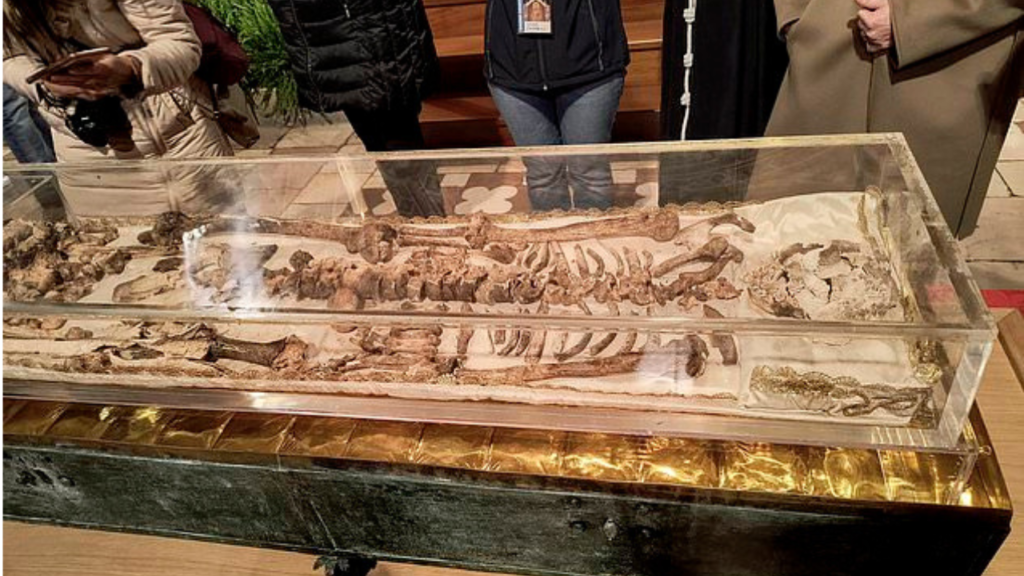
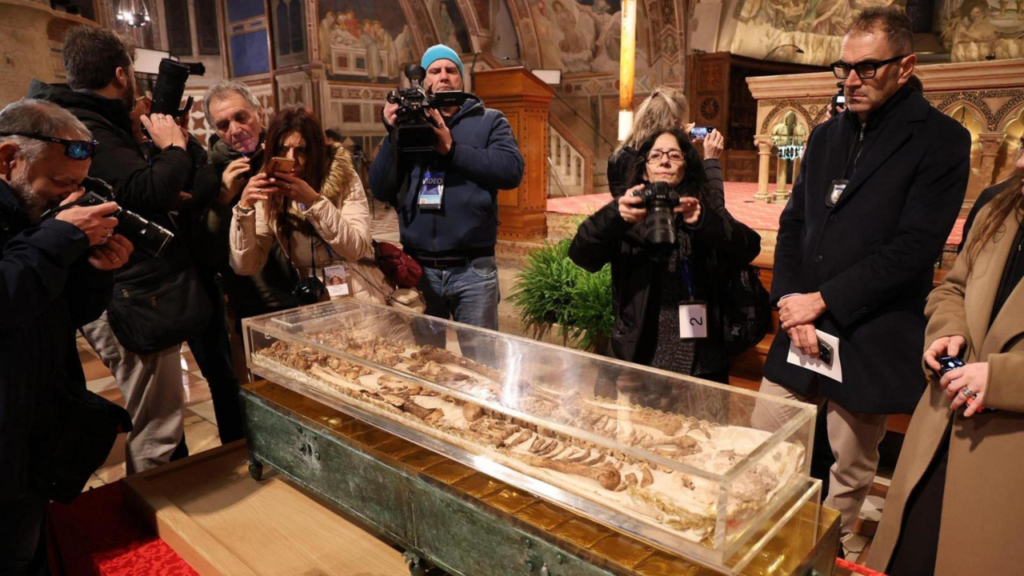
Eight hundred years after the saint’s death, the remains of St. Francis of Assisi are now on public display for the first time. On Saturday morning, the saint’s skeleton was removed from its coffin in the basement of the Basilica of St. Francis of Assisi, located in the town of Assisi in central Italy.
After that, the bones were moved to the basilica’s basement church and placed on a table in the crypt. According to a statement from the basilica, about 300 friars participated in a sorrowful Vespers celebration in the lower church later that day. Francis, the patron saint of Italy, was an Italian monk who founded the Franciscan order of the Friars Minor in the thirteenth century.
The most venerated figures in Roman Catholic history
Known by his nickname, the Poverello, which means “Poor Little Man,” he is one of the most revered individuals in Roman Catholic history. Many Anglican and certain Lutheran churches also honor him. The saint’s charisma, evangelistic fervor, and dedication to poverty and compassion attracted thousands of devotees.
Francis is honored as the patron saint of animals and was named the patron saint of ecology by Pope John Paul II in 1979. Because of his dedication to poverty, peace, and the environment, the late Pope Francis took on his name. He also used a poem by the saint as the title of his seminal environmental teaching document. The saint’s efforts to promote peace also served as an inspiration to the late pope. In an effort to broker peace, St. Francis met with Sultan al-Kamil of Egypt in 1219, during the crusades.
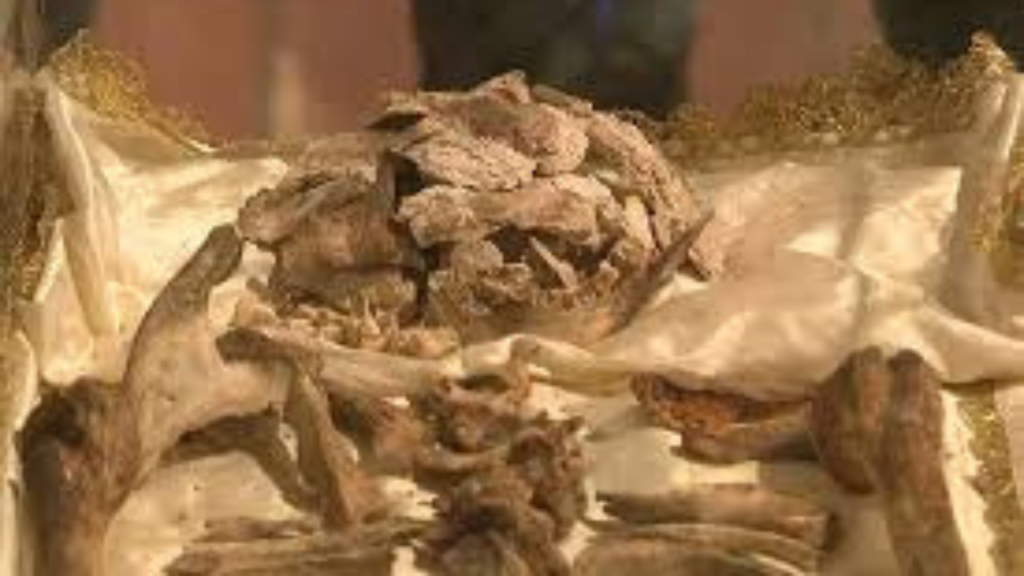
1226, attempts were made to keep his body away from the public
After St. Francis passed away in 1226, efforts were taken to keep his body hidden from the public out of concern that it may be stolen. It was only found during excavations in 1818 after being buried beneath the basilica in an iron cage. In 1978, the remains were briefly shown, although only a very small number of people were able to see them. This is their first complete public performance.
Visitors can have guided tours of St. Francis’ remains till March 22. According to the basilica’s website, the exhibition will allow visitors to “rediscover the legacy of Francis, a man whose message of peace and brotherhood continues to speak to the heart of humanity.”
Francis was the son of a rich cloth merchant
Francis was born in Assisi in 1181 or 1182, the son of a wealthy cloth merchant who had a pleasant childhood. At the age of 20, he enlisted in the military and spent nearly a year as a prisoner. After being freed, he was gravely ill, which marked a significant shift in his life. Francis experienced a spiritual transformation upon his return to Assisi, giving up worldliness and his family’s wealth. In the Assisi public square, he famously undressed and adopted a life of extreme poverty.
Brother Giulio Cesareo, a spokesman for the Franciscans in Assisi, stated in an online statement that “the Saint of Assisi is still a gift for everyone today.” “But even for non-believers, St. Francis is good news: the tangible, historically demonstrated possibility of a human life based on cooperation and mutual service rather than rivalry.”