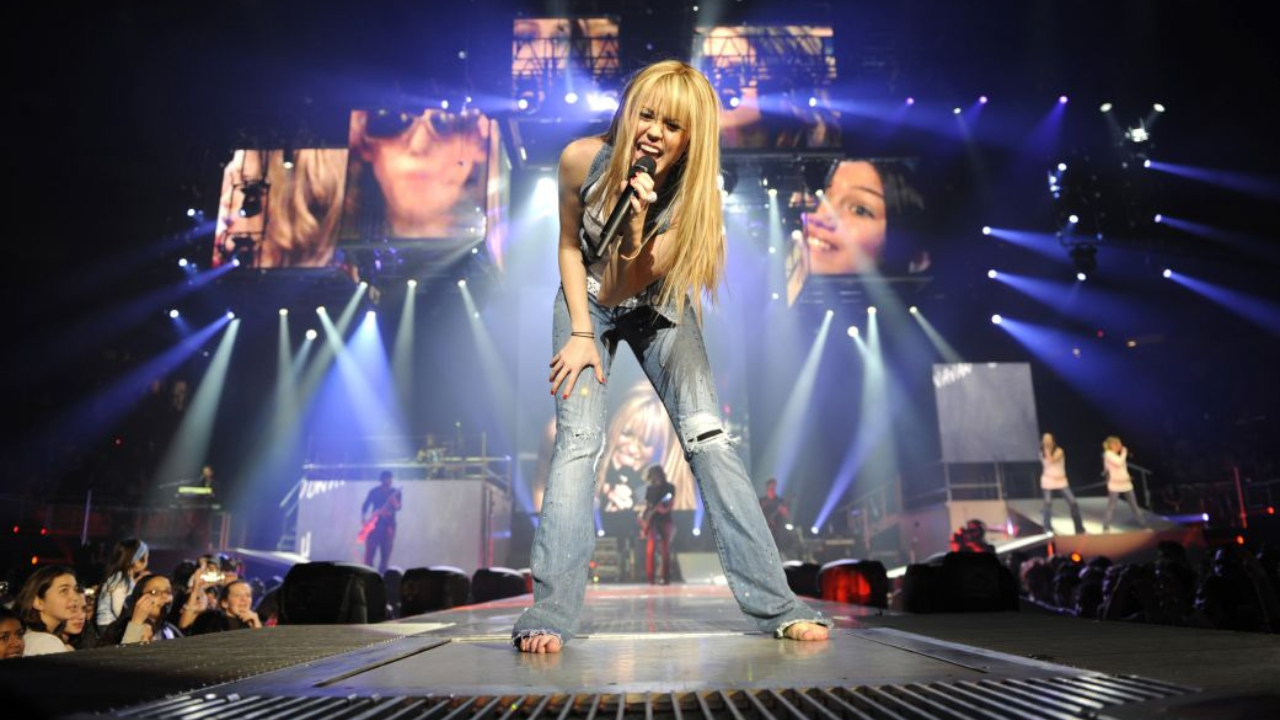
For a Miley Cyrus lookalike competition, a throng of people flocked to Washington Square Park in New York. Sophia, 23, and Ariana Parizadeh, 22, two Iranian-American cousins, were among the many ardent Hannah Montana fans in the crowd. They recalled their early years spent surreptitiously observing Hannah Montana’s double life—her days divided between being a regular girl and a pop star—and how it mirrored their own experiences juggling home and school. They were the children of immigrants raised in strict homes.
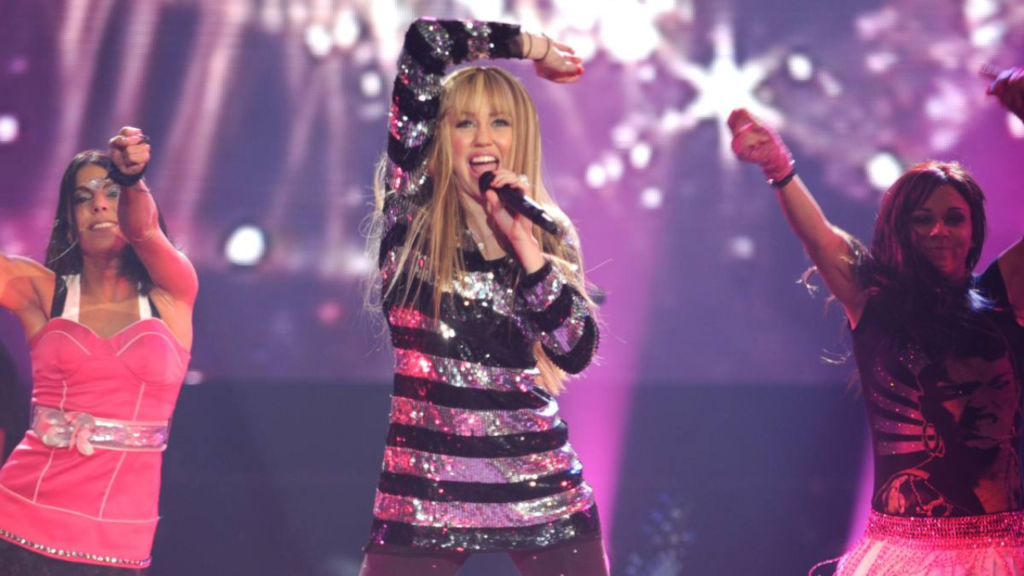
I felt there were different personality traits of mine that came to light in both situations
Sophia remarked, “I felt like I had to code switch between home and school.” She and her cousin spoke Farsi at home and were encouraged to pursue careers in medicine or law. They spoke English at school and made an effort to blend in with the other kids. She recalled her summers in Iran and remarked, “I felt there were different personality traits of mine that came to light in both situations.” “I was also a different version of myself when I came back here when school started.” When Disney Channel’s “Hannah Montana” debuted in 2006, the tween girl from Tennessee who secretly had a double life as an international pop star in Malibu irrevocably altered the lives of millions of youngsters. Disney+ debuted a 20th anniversary special on Tuesday, featuring Miley Cyrus, who is currently 33 years old.
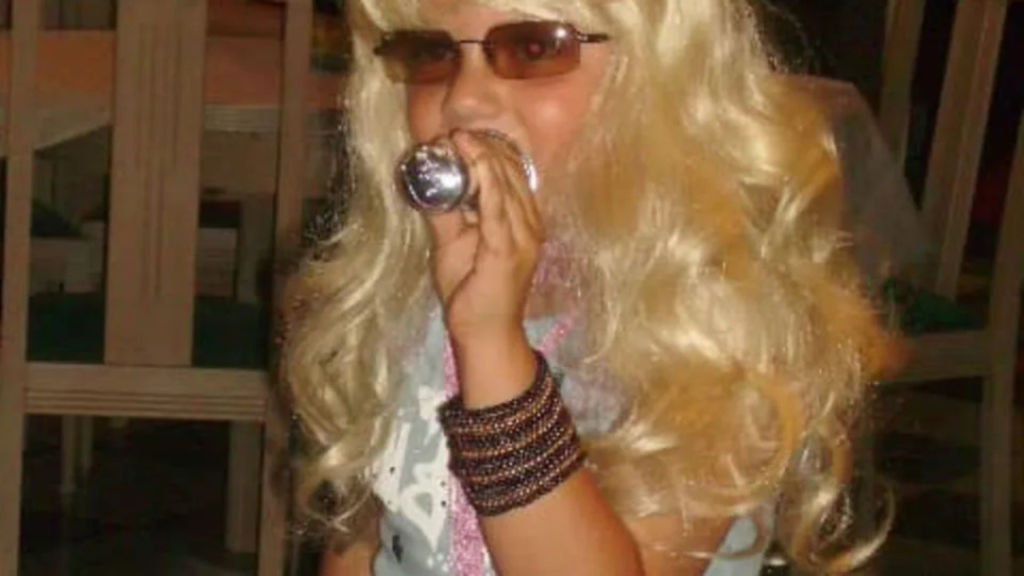
Hannah Montana took kids’ and tweens’ dimensions seriously
The cast might have been more racially varied and the storylines might have focused less on guys if the program had been produced in 2026. However, it’s still evident that Hannah Montana took children’s and tweens’ sizes seriously, extending the star’s appeal well beyond gender, culture, or color and making friends with people who didn’t resemble her in appearance or speech. As young adults, the boys and girls who wore blonde wigs as childhood admirers are thinking back on how the pop star’s duality influenced their own identities and secrets.
“She was white and I was Black, but that awkward teenage stage of kind of figuring yourself out with your father and your friends and also dealing with all the pressures from the world and rumors—all that was still really prevalent and important to me as a kid,” said 29-year-old Jamaican-American fan Katrina “Kitty” Black. Black remembered performing at her Stamford, Connecticut, Jamaican church. Before making the ten-minute journey to the upscale Greenwich County Day School, where she was one of the few Black students on a scholarship, she attended almost every day of the week.
I kind of felt like there was dramatic music playing where it’s like
Black remarked, “That’s the codeswitching part of it.” “I had the impression that dramatic music was playing, like, ‘If only they knew.'” Do you understand what I mean? You’re at that age when you’re really trying to discover your voice, which is why the show immediately took off. According to Black, Hannah’s wig, which the character would wear or remove based on the role she was playing, had two meanings. Miley’s transformation into a more self-assured version of herself just by wearing longer, straighter hair mirrors a lesson that Black and Brown girls have frequently had to unlearn.
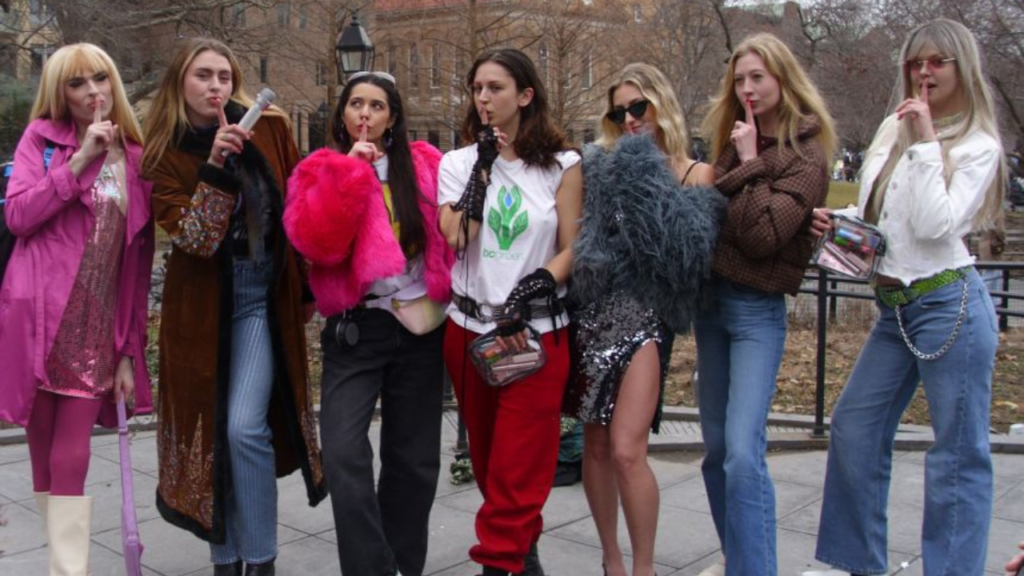
it’s not something that I love the messaging
“You put on this wig sometimes to fit into certain spaces,” Black explained. “Looking back, I don’t think that’s what they were saying, so I don’t love the messaging, but it did hit home because you’re kind of juggling two different worlds.” The producers of the show seem conscious of their influence. Michael Poryes posted on Instagram, saying, “I am very proud to have co-created and executive produced a series with such an important message.” “Wanting people and yourself to like you for who you truly are was and continues to be a vital message and was at the heart of the series pilot and every episode that followed.”